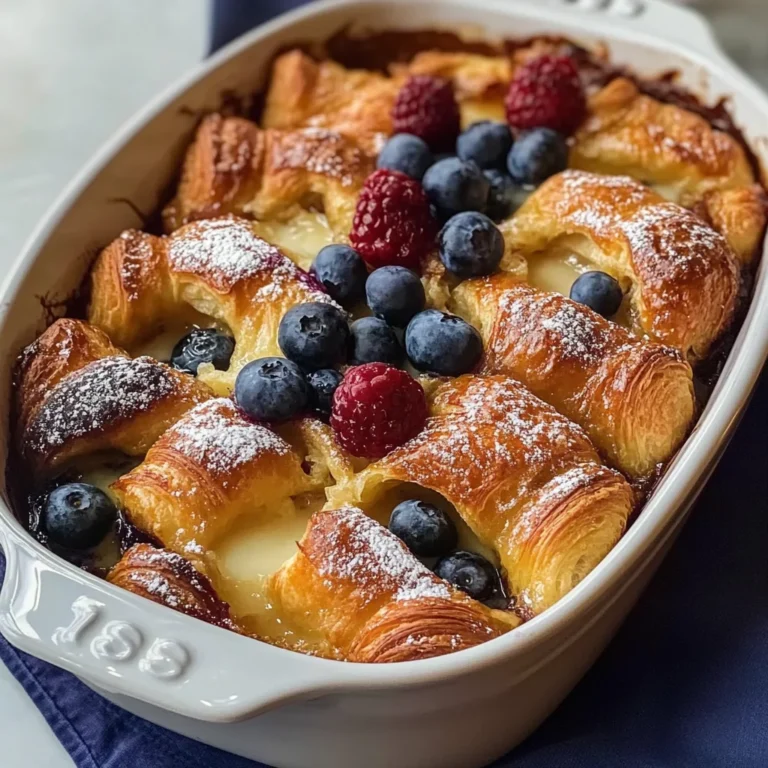
How to Make Croissants
How to Make Croissants at Home is an exciting culinary adventure that can elevate your baking skills. These flaky, buttery pastries are perfect for breakfast, brunch, or even a delightful snack. With this guide on How to Make Croissants, you will impress friends and family with your homemade creations. The rich flavor and tender texture of fresh croissants are simply unmatched by store-bought versions.
Why You’ll Love This Recipe
- Delicious Flavor: Homemade croissants have a rich, buttery taste that is hard to resist.
- Versatile Occasion: Perfect for breakfast, brunch, or special gatherings.
- Satisfying Experience: The process of making croissants is rewarding and enjoyable.
- Impressive Results: Serve these flaky pastries to wow your guests and family.
- Customizable Fillings: Feel free to add chocolate, almond paste, or savory options for extra flair.
Tools and Preparation
Before diving into the recipe, gather the necessary tools and prepare your workspace for success. Having the right equipment makes the process smoother and more enjoyable.
Essential Tools and Equipment
- Rolling pin
- Baking sheets
- Parchment paper
- Mixing bowls
- Pastry brush
Importance of Each Tool
- Rolling pin: Ensures even dough thickness for perfect layers in your croissants.
- Baking sheets: Provide a sturdy base for baking multiple croissants at once.
- Parchment paper: Prevents sticking and makes cleanup easier.

Ingredients
To make delicious croissants at home, gather the following ingredients:
For the Dough
- 1 cup (227 grams) room temperature water
- ¾ cup (170 grams) whole milk
- 2-½ teaspoons (9 grams) instant yeast (see notes)
- ¼ cup (50 grams) granulated sugar
- 5 cups (600 grams) bread flour
- ½ cup (60 grams) whole wheat flour
- 1-½ teaspoons (10 grams) fine sea salt
For the Butter Layers
- 4 tablespoons (56 grams or ½ stick) unsalted European-style butter, softened (see notes), cubed
- 1-¾ cups (395 grams or 3-½ sticks) very cold unsalted European-style butter, cut into ½” pieces
For the Glaze
- 1 egg yolk
- 1 tablespoon heavy cream
How to Make How to Make Croissants
Step 1: Prepare the Dough
- In a large mixing bowl, combine room temperature water, whole milk, and instant yeast. Stir gently until dissolved.
- Add granulated sugar, bread flour, whole wheat flour, and fine sea salt. Mix until a rough dough forms.
- Knead the dough on a floured surface until smooth, about 7-10 minutes.
Step 2: Incorporate the Butter Layers
- Flatten the dough into a rectangle and place it in the refrigerator for about 30 minutes.
- While resting, prepare the cold butter by placing it between two sheets of parchment paper and rolling it out into a thin layer.
- Remove the dough from the fridge and place the rolled-out butter in the center. Fold the dough over to encase it completely.
Step 3: Roll and Fold
- Roll out the dough again into a long rectangle.
- Fold it into thirds like a letter. This is called a turn.
- Repeat this rolling and folding process three more times with resting periods in between each turn.
Step 4: Shape Croissants
- Roll out the final dough into a larger rectangle.
- Cut triangles from the dough and roll them up starting from the wide end.
- Place shaped croissants on baking sheets lined with parchment paper.
Step 5: Final Rise and Bake
- Allow croissants to rise at room temperature until doubled in size.
- Preheat your oven to 400°F (200°C).
- Mix egg yolk with heavy cream; brush over risen croissants before baking.
- Bake for 20-24 minutes or until golden brown.
Enjoy your homemade croissants fresh out of the oven!
How to Serve How to Make Croissants
Serving croissants is as delightful as making them. These flaky pastries are versatile and can be enjoyed in many ways, whether for breakfast, brunch, or as a snack. Here are some serving ideas to enhance your croissant experience.
With Jam and Butter
- Spread your favorite fruit jam on a warm croissant for a sweet touch. Pair it with a pat of butter for a rich flavor combination.
As a Breakfast Sandwich
- Slice open a croissant and fill it with scrambled eggs, cheese, and turkey sausage for a hearty breakfast option.
With Fresh Fruit
- Serve croissants alongside a fresh fruit salad. The sweetness of the fruit complements the buttery layers of the pastry perfectly.
Dipped in Chocolate
- Melt dark or milk chocolate and serve it as a dipping sauce for your croissants. This indulgence adds an extra layer of luxury.
With Coffee or Tea
- Enjoy croissants with your morning coffee or afternoon tea. Their flaky texture pairs wonderfully with both beverages.
How to Perfect How to Make Croissants
Making perfect croissants requires attention to detail and patience. Here are some tips to ensure you achieve the best results.
- Use cold ingredients: Starting with cold butter and milk helps maintain the flakiness during the lamination process.
- Knead thoroughly: Knead the dough until it is smooth and elastic to develop gluten, which gives structure to the croissants.
- Chill between folds: Allow the dough to rest in the refrigerator between folds. This keeps the butter firm and prevents it from melting into the dough.
- Watch the oven temperature: Bake at a high temperature initially to create steam, which helps in puffing up your croissants. Then lower it slightly to finish baking evenly.
- Egg wash for shine: Brush the croissants with an egg wash before baking for that golden-brown finish that looks appealing.
Best Side Dishes for How to Make Croissants
Croissants pair beautifully with various side dishes that enhance their flavor. Consider these options when serving your freshly baked pastries.
-
Fruit Salad
A refreshing mix of seasonal fruits adds brightness and balances the richness of croissants. -
Yogurt Parfait
Layer yogurt with granola and berries for a creamy counterpart that complements flaky pastries. -
Cheese Platter
Offer an assortment of cheeses such as brie, goat cheese, or cheddar for spreading on your warm croissant. -
Vegetable Quiche
A slice of vegetable quiche provides protein and can be served warm or at room temperature alongside your pastry. -
Soup
A light vegetable or tomato soup can make for a cozy pairing, perfect for brunch on cooler days. -
Salad
A simple green salad dressed in vinaigrette adds freshness that contrasts nicely with buttery croissants.
Common Mistakes to Avoid
Making croissants can be a rewarding experience, but there are some common pitfalls. Here are mistakes to watch out for:
- Overworking the dough: This can make your croissants tough. Handle the dough gently and avoid excessive kneading.
- Incorrect temperature: Croissant dough needs to be cold during the lamination process. Ensure your butter and dough are properly chilled before rolling.
- Skipping rest periods: Allowing the dough to rest is crucial for gluten development. Don’t rush this step; it enhances the texture.
- Not using enough butter: Butter is key for flaky layers. Make sure you use the correct amount of cold butter during lamination.
- Ignoring the yeast: If your yeast is expired or not activated properly, your croissants won’t rise. Always check the freshness of your yeast.

Storage & Reheating Instructions
Refrigerator Storage
- Store croissants in an airtight container for up to 3 days.
- Use parchment paper between layers to prevent sticking.
Freezing How to Make Croissants
- Wrap each croissant individually in plastic wrap, then place them in a freezer-safe bag.
- Frozen croissants can last up to 2 months without compromising taste.
Reheating How to Make Croissants
- Oven: Preheat to 350°F (175°C) and heat for about 10 minutes for best results.
- Microwave: Heat on low power for about 15-20 seconds, but this may affect crispiness.
- Stovetop: Place in a skillet over medium heat for a few minutes until warmed through.
Frequently Asked Questions
Here are some common questions about how to make croissants that might help you succeed.
How to Make Croissants Rise Properly?
Croissants need a warm environment for rising. Let them proof in a draft-free area until they double in size.
Can I Use Whole Wheat Flour?
Yes, you can substitute part of the bread flour with whole wheat flour for a nuttier flavor, but keep the ratio balanced.
What Is the Best Temperature for Croissant Dough?
The ideal temperature for your dough during preparation should be cool (around 65°F or 18°C) to maintain the butter’s integrity.
How Long Do Homemade Croissants Last?
Homemade croissants can last up to 3 days at room temperature and can be frozen for up to 2 months if stored properly.
Final Thoughts
Croissants are a delightful pastry that can elevate any breakfast or brunch spread! With their flaky layers and buttery flavor, they appeal to many palates. Feel free to customize with fillings like chocolate or almond paste, making this recipe truly yours!
How to Make Croissants

Discover the art of making croissants at home with this simple yet rewarding recipe. These flaky, buttery pastries are perfect for breakfast, brunch, or an indulgent snack. With a rich flavor and tender texture that outshines store-bought versions, your homemade croissants will impress friends and family alike. Follow our step-by-step guide to create these classic French delights, and enjoy the satisfaction of mastering laminated dough techniques. Whether you prefer them plain or filled with chocolate or almond paste, this croissant recipe is sure to elevate your baking game.
- Prep Time: 40 minutes
- Cook Time: 24 minutes
- Total Time: 1 hour 4 minutes
- Yield: Approximately 12 servings 1x
- Category: Breakfast
- Method: Baking
- Cuisine: French
Ingredients
- 1 cup (227 grams) room temperature water
- ¾ cup (170 grams) whole milk
- 2–½ teaspoons (9 grams) instant yeast
- ¼ cup (50 grams) granulated sugar
- 5 cups (600 grams) bread flour
- ½ cup (60 grams) whole wheat flour
- 1–½ teaspoons (10 grams) fine sea salt
- 4 tablespoons (56 grams) unsalted European-style butter, softened
- 1–¾ cups (395 grams) very cold unsalted European-style butter for layers
Instructions
- In a large mixing bowl, combine room temperature water, whole milk, and instant yeast; stir until dissolved.
- Add granulated sugar, bread flour, whole wheat flour, and fine sea salt; mix until a rough dough forms. Knead for 7-10 minutes until smooth.
- Flatten the dough into a rectangle and refrigerate for 30 minutes.
- Roll cold butter between parchment paper into a thin layer. Place it in the center of the dough and fold over to encase.
- Roll out into a long rectangle; fold into thirds to create layers. Repeat this process three more times with resting periods in between.
- Roll out the final dough into a larger rectangle; cut triangles and roll from the wide end.
- Allow croissants to rise at room temperature until doubled in size before baking at 400°F (200°C) for 20-24 minutes until golden brown.
Nutrition
- Serving Size: 1 serving
- Calories: 220
- Sugar: 4g
- Sodium: 200mg
- Fat: 11g
- Saturated Fat: 7g
- Unsaturated Fat: 3g
- Trans Fat: 0g
- Carbohydrates: 26g
- Fiber: 1g
- Protein: 4g
- Cholesterol: 30mg